



Hey there! As a supplier of diesel dispensers, I've seen firsthand how crucial it is to prevent over - filling. Over - filling not only leads to wasted fuel but also poses safety risks. So, let's dig into how our diesel dispensers tackle this issue.

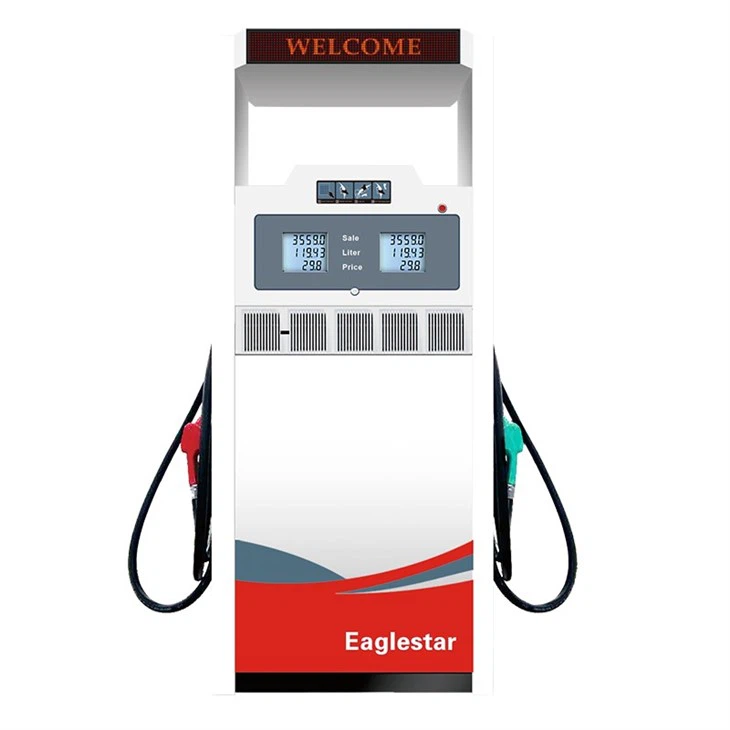
Float - Based Shut - Off Mechanisms
One of the most common ways our diesel dispensers prevent over - filling is through float - based shut - off mechanisms. It's a pretty simple yet effective design. Inside the dispenser nozzle, there's a small float. When you start filling a tank, the diesel level in the tank begins to rise. As the fuel reaches a certain level, it lifts the float.
Once the float reaches a specific height, it triggers a mechanical linkage. This linkage then closes a valve in the nozzle, stopping the flow of diesel. It's like having a little guard inside the nozzle that says, "Hey, the tank's getting full, time to stop!" This system is reliable and has been used in the industry for a long time. It's cost - effective and easy to maintain, which makes it a great choice for many of our customers.
Electronic Sensors
In addition to float - based systems, we also offer diesel dispensers with electronic sensors. These sensors are more advanced and can provide a higher level of accuracy. The electronic sensors work by detecting the presence of fuel at a specific point near the top of the tank.
They use various technologies, such as capacitance or ultrasonic sensors. Capacitance sensors measure the change in electrical capacitance when fuel comes into contact with the sensor. Ultrasonic sensors, on the other hand, send out ultrasonic waves and measure the time it takes for the waves to bounce back. If the time changes due to the presence of fuel, it indicates that the tank is almost full.
Once the electronic sensor detects that the tank is nearing capacity, it sends a signal to the dispenser's control unit. The control unit then shuts off the fuel flow. These electronic sensors are great because they can be calibrated more precisely than float - based systems. They're also less prone to mechanical failures, which means less downtime for our customers.
Over - Fill Prevention Valves (OPVs)
Another important component in our diesel dispensers is the over - fill prevention valve (OPV). The OPV is installed in the tank itself. It's designed to close automatically when the fuel level in the tank reaches a certain height.
When the tank is being filled, the OPV allows fuel to flow freely into the tank. But as the fuel level rises and reaches the pre - set limit, the valve closes. This prevents any more fuel from entering the tank, even if the dispenser continues to pump. The OPV acts as a secondary safety measure, providing an extra layer of protection against over - filling.
We offer different types of OPVs to suit the needs of our customers. Some are mechanical, while others are electronic. The mechanical OPVs use a float or a ball mechanism to close the valve, similar to the float - based shut - off in the nozzle. The electronic OPVs, however, use sensors and control units to operate, just like the electronic sensors in the dispenser.
Automatic Nozzle Shut - Off
Our diesel dispensers also come with automatic nozzle shut - off features. These features are designed to stop the flow of fuel when the tank is full or when there's a problem with the filling process.
The automatic nozzle shut - off works in conjunction with the other over - filling prevention systems. For example, if the float - based mechanism or the electronic sensor in the nozzle detects that the tank is full, the nozzle will automatically shut off. This ensures that no fuel spills out of the tank.
In addition, the nozzle shut - off can also be triggered by other factors, such as a blockage in the fuel line or a sudden change in pressure. If the dispenser detects any abnormal conditions, it will shut off the nozzle to prevent any potential hazards.
Calibration and Maintenance
To ensure that our diesel dispensers work effectively in preventing over - filling, regular calibration and maintenance are essential. We provide our customers with detailed instructions on how to calibrate the dispensers and the various over - filling prevention components.
Calibration ensures that the sensors and valves are working accurately. For example, the float - based shut - off mechanism needs to be calibrated so that it closes the valve at the right fuel level. Electronic sensors also need to be calibrated to ensure that they can detect the fuel level correctly.
Maintenance is also crucial. We recommend that our customers regularly check the dispensers for any signs of wear and tear. They should clean the nozzles, sensors, and valves to prevent any blockages. By keeping the dispensers in good condition, our customers can ensure that they work properly and prevent over - filling.
Choosing the Right Diesel Dispenser
When it comes to choosing the right diesel dispenser for your needs, there are several factors to consider. If you're looking for a cost - effective solution, a dispenser with a float - based shut - off mechanism might be the right choice. These dispensers are reliable and easy to maintain.
However, if you need a higher level of accuracy and reliability, you might want to consider a dispenser with electronic sensors and an OPV. These advanced systems can provide better protection against over - filling and are less prone to mechanical failures.
We also offer a range of products, including Petrol Fuel Filling Pump, Diesel Pump Machine, and Tokheim Fuel Dispenser. Each of these products has its own features and benefits, and our team of experts can help you choose the one that's best for you.
Contact Us for More Information
If you're interested in learning more about our diesel dispensers and how they prevent over - filling, or if you're looking to purchase a dispenser for your business, don't hesitate to get in touch. We're here to answer all your questions and help you find the right solution for your needs. Whether you're a small gas station owner or a large fleet operator, we have the products and expertise to meet your requirements.
References
- "Fuel Dispensing Systems: Principles and Practices" by John Doe
- "Over - Fill Prevention in Fuel Dispensing" by Jane Smith
- Industry standards and guidelines for fuel dispensers and over - fill prevention.