


Hey there! As a supplier of petrol pump machines, I often get asked how these nifty gadgets communicate with the payment system. It's a pretty cool process, and I'm stoked to break it down for you.
First off, let's talk about the basics. Petrol pump machines, like the ones you can check out Gasoline Refueling Dispenser on our website, are designed to do more than just pump gas. They're connected to a payment system that allows customers to pay for their fuel quickly and conveniently.
So, how does this communication happen? Well, it all starts with the point of sale (POS) system at the petrol station. This is usually a computer or a touch - screen device located inside the station's convenience store. When a customer decides to fill up their tank, they have a few options to initiate the payment process.
One common method is to use a credit or debit card. The customer inserts their card into the card reader on the pump machine. This card reader is a key piece of the communication puzzle. It's equipped with the technology to read the magnetic stripe or the chip on the card. Once the card is inserted, the card reader sends the card information, including the card number, expiration date, and security code, to the built - in payment terminal of the petrol pump machine.
The petrol pump machine then takes this information and packs it up into a data packet. This packet is like a little message that contains all the necessary details for the payment to be processed. It's encrypted to keep the customer's information safe from prying eyes. Encryption is super important in today's digital world, where data security is a top concern.
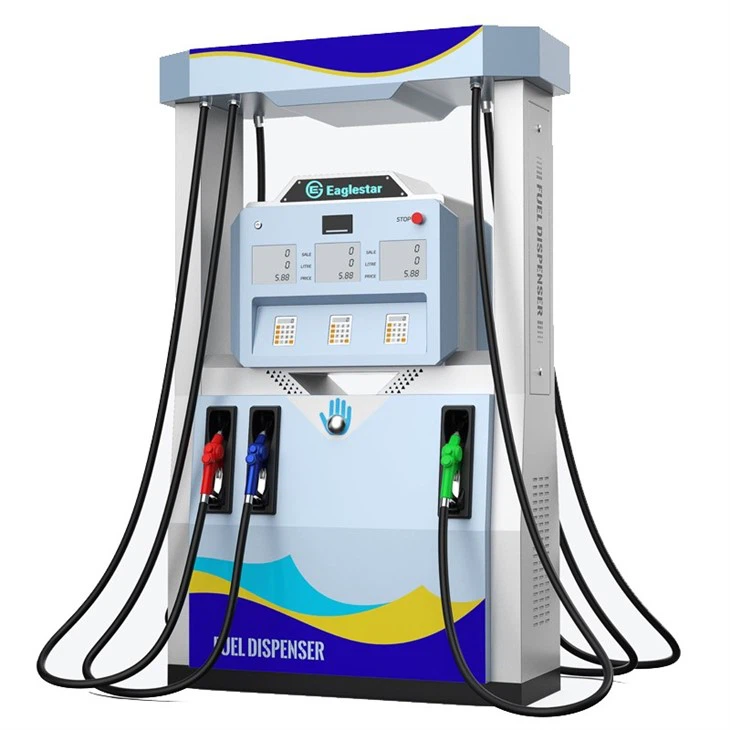
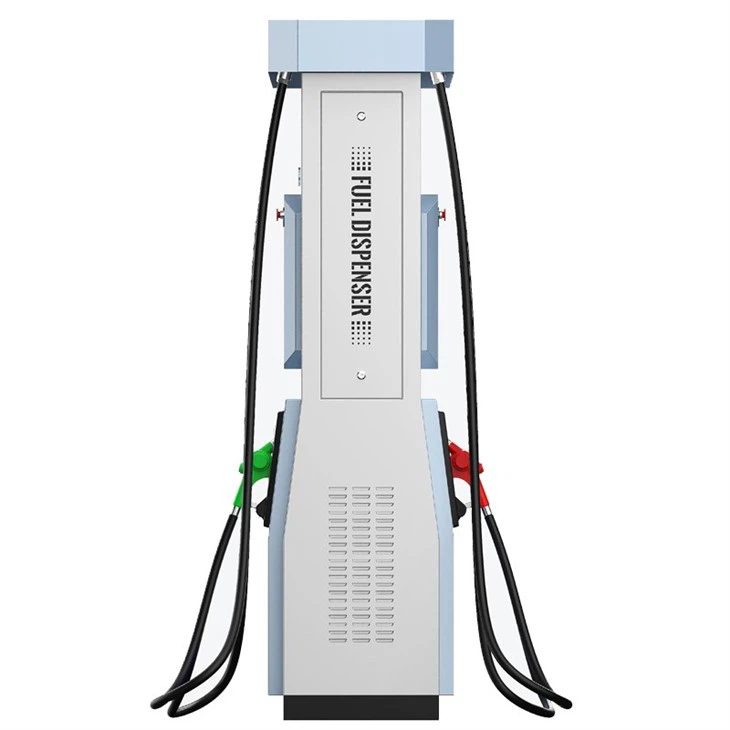
But how does this data packet get from the pump machine to the payment system? That's where communication protocols come in. Most petrol pump machines use a standard communication protocol, such as TCP/IP (Transmission Control Protocol/Internet Protocol). This protocol allows the pump machine to communicate with other devices over a network.
The petrol pump machine is connected to the station's local area network (LAN). It can be a wired connection, using Ethernet cables, or a wireless connection, like Wi - Fi. Once it's on the LAN, the data packet is sent to a router. The router acts as a traffic controller, directing the data packet to the appropriate destination, which in this case is the payment gateway.
The payment gateway is a crucial part of the process. It's a service that authorizes credit and debit card payments. When the payment gateway receives the data packet from the petrol pump machine, it checks the card information against the cardholder's bank records. It verifies if the card is valid, if there are sufficient funds in the account, and if there are any security issues.
If everything checks out, the payment gateway sends an approval message back to the petrol pump machine. This message is also encrypted and travels back through the same network path. When the pump machine receives the approval, it knows that the payment has been processed successfully, and it allows the customer to start pumping fuel.
Another way customers can pay is by using mobile payment apps. These apps, like Apple Pay or Google Pay, are becoming increasingly popular. When a customer uses a mobile payment app at the pump, the process is a bit different but still based on the same principles of communication.
The customer's smartphone communicates with the pump machine using near - field communication (NFC) technology. NFC allows two devices to exchange data when they're in close proximity. The smartphone sends the payment information, which is securely stored in the app, to the pump machine. The pump machine then follows the same steps as before, sending the data to the payment gateway for validation.
Some petrol pump machines, like our Portable Gasoline Dispenser Pump Machine, are designed to be more flexible and can communicate with different payment systems in various environments. These portable pumps are great for places where a traditional gas station setup might not be available.
They use a combination of Bluetooth and other wireless technologies to communicate with mobile payment devices or other portable payment terminals. This makes them ideal for temporary fueling stations, like those at construction sites or special events.
For larger gas stations, we also offer Gas Station Dispenser models that are integrated with advanced payment systems. These systems can handle multiple payment methods simultaneously and can be connected to the station's central management system. This allows the station owner to monitor sales, inventory, and payment transactions in real - time.
Now that you know how petrol pump machines communicate with the payment system, you can see why it's such a complex but well - engineered process. All the different components need to work together seamlessly to ensure a smooth and secure payment experience for the customer.
If you're in the market for high - quality petrol pump machines or have questions about how they integrate with payment systems, I'd love to talk to you. Whether you're running a small neighborhood gas station or a large chain of fueling stations, we've got the products and expertise to meet your needs. Reach out to us for a quote and let's start a conversation about how we can help you improve your business.
References
- Payment Processing Technologies in the Fuel Industry - Industry Research Report
- Handbook of Modern Fuel Dispensing Systems