As the world becomes more fast-paced, convenience and efficiency have become paramount for both consumers and businesses alike. One of the key innovations that have dramatically transformed the fuel industry is the self-service fuel dispenser. This technology allows customers to fuel their vehicles without the assistance of a gas station attendant, empowering users to control the entire refueling process-from selecting fuel types to making payments and even receiving receipts. But what exactly is a self-service fuel dispenser, and how is it reshaping the future of fueling?
What is a Self-Service Fuel Dispenser?
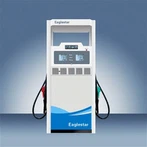
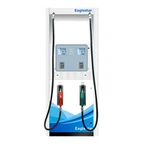
A self-service fuel dispenser is a type of fuel pump system designed to be operated directly by the customer. Unlike traditional fuel dispensers, which require an attendant to handle the fueling process, self-service dispensers allow individuals to select their fuel, fill their tanks, and pay for the service without assistance. These dispensers typically consist of a pump, hoses, fuel nozzles, and an integrated payment system that allows customers to pay via credit cards, debit cards, or even mobile payment apps.
The process is straightforward:
- Select the fuel type (e.g., gasoline, diesel, or electric charging).
- Fill the tank by inserting the nozzle into the vehicle's fuel port.
- Make payment either at the pump or inside the store using a variety of payment methods.
- Finish fueling, and the system automatically shuts off once the vehicle's tank is full.
Self-service fueling is often a more cost-effective and efficient option for both customers and fuel station operators, leading to its widespread adoption across the globe.
The Evolution of Self-Service Fueling
The concept of self-service fuel dispensers dates back to the early 20th century, but it was only in the latter half of the century that technology made it more feasible. Initially, attendants manually pumped fuel and handled all transactions. However, as fuel stations became more ubiquitous, and customers began to demand faster service, the concept of self-service fueling gained traction. This shift was further propelled by advancements in payment technology, such as credit card readers integrated into dispensers, and later, mobile payment options.
By the 1990s, self-service fueling stations had become common in many countries, especially in the United States. Their adoption was particularly appealing because they allowed fuel stations to operate with fewer staff members, reducing overhead costs, and providing consumers with greater autonomy.
Key Advantages of Self-Service Fuel Dispensers
- Cost Savings and Operational Efficiency: One of the primary reasons fuel station operators adopt self-service fuel dispensers is the significant cost savings they provide. Traditional fueling stations require attendants, who must be paid and managed. By switching to a self-service model, fuel stations can reduce staffing costs, allocate fewer resources to labor, and achieve higher operational efficiency.
- Increased Fueling Speed and Convenience: Self-service dispensers provide faster fueling compared to traditional models. Customers can fuel their vehicles at their own pace without waiting in line for an attendant. Additionally, many stations allow customers to pay directly at the pump, speeding up the overall process.
- 24/7 Accessibility: With fewer staffing requirements, self-service fueling stations can remain operational 24/7. This flexibility provides convenience for customers, especially those who need fuel outside of regular business hours. For busy commuters, truck fleets, or emergency situations, the ability to fuel up at any time is a significant advantage.
- Customer Control and Convenience: Self-service fuel dispensers put customers in control of the fueling process. Customers can choose their fuel type, monitor the quantity of fuel being dispensed, and make payments without having to interact with a gas station attendant. This freedom allows users to fuel up quickly and move on with their day, providing greater convenience for time-sensitive customers.
- Safety and Security Features: Modern self-service fuel dispensers are equipped with various safety features to ensure safe operation. These include automatic shut-off valves, which stop the fuel flow once the tank is full, anti-siphoning mechanisms, and leak detection systems to avoid spills. Additionally, self-service systems can be integrated with RFID cards or mobile app technologies, enhancing security by limiting access to authorized users.
The Global Adoption of Self-Service Fueling
While self-service fueling stations are popular in North America and Europe, they are becoming increasingly common worldwide. In Europe, self-service stations are widely accepted, and many countries, including France, Germany, and the UK, have embraced this model due to its efficiency and customer demand for faster services. In the Asia-Pacific region, countries like Japan and China are seeing rapid adoption of self-service systems, driven by a growing middle class and an increasing number of vehicles on the road.
In Australia, self-service fueling is also prevalent, with many stations offering both full-service and self-service options. Customers are often given the choice to either pay at the pump or inside the station. The key to widespread adoption has been the gradual transition from full-service to self-service, ensuring customers are familiar and comfortable with the process.
Challenges in Self-Service Fueling
Despite the many advantages, there are a few challenges that still hinder the widespread adoption of self-service fueling, particularly in certain regions:
Consumer Education: In some countries, customers may be unfamiliar with how to operate self-service dispensers, especially older generations who are more accustomed to full-service stations.
Safety Concerns: While self-service fueling systems are designed with numerous safety features, there are occasional concerns regarding the risk of fuel spills, overflows, or improper handling. To mitigate these risks, stations must adhere to strict safety regulations and train users on how to safely use the equipment.
Payment Security: As self-service dispensers rely heavily on electronic payment systems, ensuring cybersecurity is essential. Station operators must safeguard payment systems to protect customers' sensitive information and prevent fraud.
The Future of Self-Service Fuel Dispensers
The future of self-service fuel dispensers is bright, with continued technological advancements and increasing demand for efficiency. We can expect to see more automated stations that leverage artificial intelligence (AI) and machine learning for real-time monitoring and predictive maintenance. These systems could automatically detect malfunctions, schedule maintenance, and even predict fuel demand, reducing operational disruptions.
Moreover, as the number of electric vehicles (EVs) grows, self-service dispensers will likely evolve to accommodate EV charging stations, enabling customers to easily transition between traditional fuel types and electric power. The integration of renewable energy sources, such as solar-powered self-service stations, may also become more prevalent, contributing to greener fueling solutions.
Conclusion
Self-service fuel dispensers are revolutionizing the fueling industry by offering faster, more convenient, and cost-effective solutions for customers and fuel station operators alike. With enhanced safety features, greater operational efficiency, and the flexibility to operate 24/7, these dispensers are becoming the fueling method of choice for a growing number of consumers around the world. As technology continues to evolve, self-service fueling will likely play an even more significant role in shaping the future of transportation, offering greater accessibility, convenience, and sustainability.