
Barrel pumps are essential tools in various industries for transferring liquids from drums, barrels, and similar containers. Designed for efficiency and safety, these pumps make handling fluids a smooth process while reducing risks associated with manual transfer methods. Whether you're dealing with industrial chemicals, lubricants, or food-grade liquids, drum pumps provide a reliable solution tailored to diverse operational needs.
This article delves into what drum pumps are, their key benefits, and the types of users who can maximize their potential.
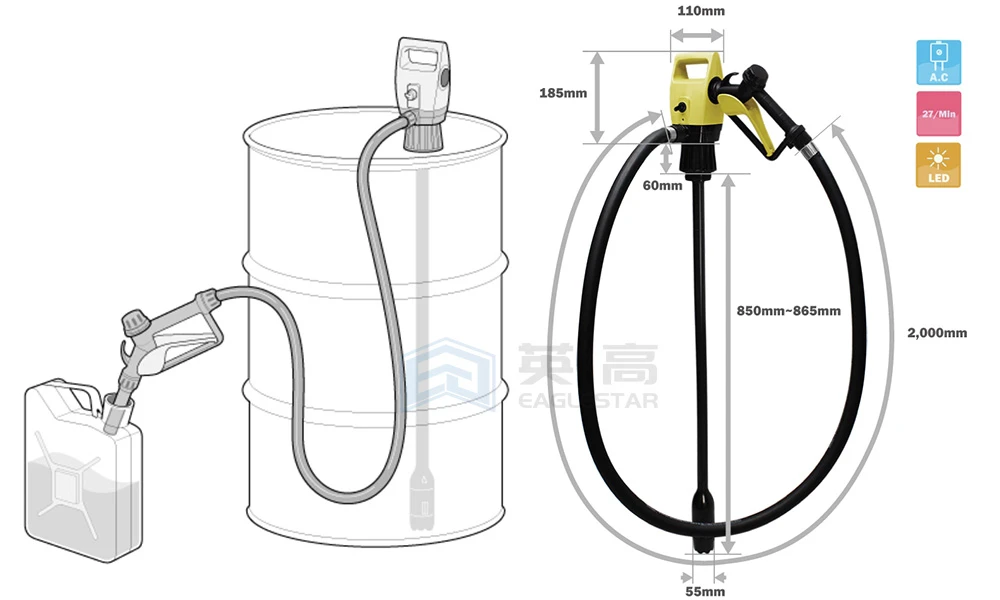
What is a Barrel Pump?
A drum pump is a device engineered to pump fluids directly from large containers like barrels and drums, typically ranging from 20 to 200 liters in size. It eliminates the need to tilt or lift heavy containers, offering a safer and more efficient alternative for transferring liquids.
How Does a Tote Pump Function?
Drum pumps operate using a simple yet effective mechanism:
- Pump Tube: Inserted into the container, this part draws the liquid upward.
- Motor or Manual Mechanism: Drives the pumping action, available in manual, electric, or pneumatic versions.
- Discharge Hose: Guides the liquid to its destination with precision, preventing spills or overflows.
When activated, the pump creates a controlled flow, enabling the transfer of liquids ranging from thin solvents to thick oils without waste or contamination.
Key Benefits of Drum Pumps
1. Promotes Workplace Safety
Manual handling of heavy containers can lead to spills, injuries, and exposure to hazardous materials. Drum pumps mitigate these risks by eliminating the need to manually pour or tip drums.
2. Precise Fluid Management
Drum pumps enable accurate control of flow rates, ensuring that the exact amount of liquid is transferred without waste. This is especially critical when working with expensive or hazardous substances.
3. Versatile Applications
Drum pumps are compatible with a wide range of fluids, including:
- Chemicals and acids
- Fuels and lubricants
- Food-grade oils and syrups
- Detergents and solvents
Their adaptability makes them indispensable in industries such as chemical processing, automotive services, and food manufacturing.
4. Improved Efficiency
Transferring liquids using a drum pump is quicker and less labor-intensive compared to manual methods. High-capacity models allow businesses to save time while boosting productivity.
5. Robust Design
Built with durable materials such as stainless steel or polypropylene, drum pumps are resistant to corrosion and wear. They are designed to handle harsh chemicals and challenging environments without compromising performance.
6. Portability
Drum pumps are lightweight and portable, making them easy to move between workstations or job sites. This flexibility adds to their practicality for businesses with varying fluid transfer needs.
Who Should Use Barrel Pumps?
1. Chemical and Industrial Facilities
For businesses that handle hazardous or corrosive liquids, drum pumps ensure safe and spill-free transfer. Their resistance to chemical degradation makes them a trusted choice in these environments.
2. Automotive and Fleet Services
Workshops and transport companies frequently use lubricants, fuels, and antifreeze stored in drums. Drum pumps simplify dispensing these fluids, improving operational efficiency.
3. Food and Beverage Operations
Drum pumps made from FDA-compliant materials are ideal for handling edible oils, syrups, and flavoring agents. They maintain hygiene standards while streamlining liquid transfers.
4. Agricultural Applications
Farmers and agricultural service providers benefit from drum pumps for transferring pesticides, fertilizers, and fuel. Their ease of use and durability make them essential for fieldwork.
5. Small Businesses and Startups
For operations with limited resources, drum pumps provide an affordable solution to manage fluid transfers effectively. Manual models, in particular, are budget-friendly and easy to maintain.
Types of Barrel Pumps
1. Manual Barrel Pumps
Ideal for small-scale operations, manual pumps use a hand crank or lever. They are simple, cost-effective, and best suited for low-viscosity liquids.
2. Electric Barrel Pumps
Powered by electricity, these pumps are efficient and suitable for high-volume transfers. They handle liquids of varying viscosities, including oils and syrups.
3. Pneumatic Barrel Pumps
Using compressed air as a power source, pneumatic pumps are perfect for hazardous environments where electric sparks are a safety concern.
4. Specialized Barrel Pumps
These models cater to niche applications, such as transferring highly viscous fluids or operating in explosion-proof conditions.
Factors to Consider When Choosing a Barrel Pump
- Compatibility with Liquids: Ensure the pump's materials are suited to the fluid type, such as corrosion-resistant options for acids or FDA-approved materials for food-grade products.
- Flow Rate: Match the pump's capacity to your operational needs, considering the volume and viscosity of the liquid.
- Power Source: Choose between manual, electric, or pneumatic options based on usage frequency and environmental conditions.
- Ease of Maintenance: Opt for a design that simplifies cleaning and upkeep to minimize downtime.
- Budget: Consider both the initial cost and long-term benefits when selecting a pump that offers value for money.
Conclusion
Barrel pump machines are indispensable tools for industries that handle liquid transfers. They enhance safety, improve efficiency, and provide precise control over fluid management. From chemical facilities to agricultural operations, these versatile devices cater to a wide range of needs and applications.
By investing in the right bucket pump for your business, you can streamline operations, reduce risks, and maximize productivity. Whether it's a manual model for small tasks or an electric pump for large-scale transfers, drum pumps are a valuable addition to any workplace focused on safe and efficient fluid handling.


