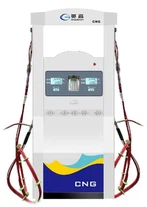
Fuel dispensers, or gas station pumps, are complex machines that require various components to function efficiently and accurately. To ensure smooth operations and long-term reliability, regular maintenance and the availability of high-quality spare parts are crucial. These parts not only help maintain the performance of the dispenser but also ensure the safety and precision of fuel dispensing. Below are the key types of spare parts commonly used in fuel dispensers:
Fuel Pump Parts
Fuel pump components are integral to the dispenser's operation, as they facilitate the flow of fuel from the storage tank to the dispensing nozzle. Common fuel pump parts include:
- Vanes: These are part of the fuel pump's rotor mechanism and are responsible for creating the necessary pressure to push the fuel through the system. Regular inspection and replacement of vanes are essential to avoid pump failure and ensure consistent fuel delivery.
- Springs: Springs help maintain the correct tension and functioning of the pump's internal components. They ensure the smooth operation of valves and other moving parts within the pump.
- Bearings: Bearings reduce friction between moving parts in the pump, ensuring smooth rotation and efficient fuel flow. Worn-out bearings can cause pump inefficiencies and noise.
Oil-Gas Separator Parts
The oil-gas separator ensures that the fuel delivered to the customer is free of air or gas bubbles, maintaining the accuracy of the dispenser. Essential parts of the oil-gas separator include:
- Filters: Filters trap debris, dirt, and other contaminants that could otherwise clog the system or affect fuel quality. These filters must be cleaned or replaced regularly to maintain smooth fuel flow.
- Vent Valves: Vent valves help manage the release of air or vapors from the separator, ensuring proper pressure balance and avoiding gas buildup in the system.
Flow Meter Parts
Flow meters are responsible for measuring the volume of fuel dispensed accurately. These components require precise calibration to ensure correct readings. Key flow meter parts include:
- Sensors: These detect the amount of fuel being dispensed and transmit this data to the digital display. Damaged or inaccurate sensors can lead to erroneous readings, which can affect customer trust and business operations.
- Circuit Boards: The circuit boards process the data collected from the sensors, translating it into readable information for both the operator and the customer. Faulty circuit boards can result in malfunctioning meters and inaccurate fuel measurements.
Fuel Nozzle Parts
The nozzle is the point of contact between the dispenser and the vehicle, making its components crucial for smooth and safe refueling. Common nozzle parts include:
- Nozzle Tips: These are the parts that directly deliver fuel into the vehicle's fuel tank. Over time, nozzle tips can become worn or clogged, affecting fuel flow and increasing the likelihood of leaks.
- Self-Sealing Valves: These valves automatically close when the nozzle is removed from the vehicle's fuel port, preventing fuel leakage. Regular maintenance of self-sealing valves is critical to avoid environmental hazards and ensure safety.
Other Essential Parts
Fuel dispensers also include several safety and control features that enhance the performance and security of the dispensing process:
- Emergency Shut-Off Valves: These valves are designed to automatically stop the fuel flow in case of an emergency, such as a fire or system malfunction. Their reliability is paramount for ensuring the safety of the gas station.
- Explosion-Proof Solenoid Valves: These valves control the flow of fuel while preventing sparks or electrical faults that could lead to an explosion. They are essential in environments where volatile fuels are handled.
- Computer Units and Control Systems: Modern fuel dispensers are equipped with computer units for controlling operations, monitoring fuel dispensed, and managing payment systems. These systems need to be regularly updated and maintained to ensure proper functionality.
Choosing the Right Spare Parts
When selecting spare parts for fuel dispensers, it is crucial to prioritize high-quality and reliable components. Choosing parts from reputable manufacturers ensures the following:
- Durability: Quality parts are designed to withstand the demands of constant use in a high-traffic environment, reducing the frequency of replacements and downtime.
- Accuracy: Accurate measuring components, such as flow meters and sensors, help maintain the integrity of fuel dispensing and customer satisfaction.
- Safety: Reliable safety features, such as emergency shut-off valves and explosion-proof components, help protect both customers and station operators from potential hazards.
- Cost-Efficiency: Although high-quality parts may have a higher initial cost, they can provide long-term savings by minimizing maintenance and extending the life of the fuel dispenser.
Conclusion
The proper functioning of a fuel dispenser depends heavily on the quality and maintenance of its spare parts. Regular inspection, maintenance, and timely replacement of components such as fuel pumps, flow meters, nozzles, and safety devices are essential to ensure smooth operation and safety. By investing in reliable spare parts and working with trusted suppliers, gas station operators can ensure that their dispensers perform optimally and provide safe, accurate, and efficient fuel delivery to customers.