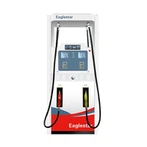
How to solve the problem that oil and gas cannot be separated in the oil and gas separator
The main symptom of inability to separate oil and gas is that the oil in the oil sight is turbid (caused by a large number of tiny bubbles mixed in the oil). There are many reasons why oil and gas cannot be separated. If any of the pipelines, valves, and joints below the bellows of the separator are not tightly sealed, a large amount of gas may be inhaled. When the amount of gas inhaled exceeds the gas separation capacity of the oil and gas separator, it will The phenomenon that oil and gas cannot be separated occurs.
Therefore, when oil and gas cannot be separated, you should first check whether there is oil leakage in the oil pipeline between the oil tank and the tanker. The method is to open the filter end cover of the oil and gas separator and check whether there is oil in the low-pressure chamber of the separator. If there is no oil or If the oil level drops slowly, it can be initially determined that there is oil leakage in the oil pipeline or bottom valve. After eliminating the causes of the pipeline and bottom valve, repair the oil and gas separator.
The maintenance steps are:
① Turn on the oil dispenser and put your finger close to the exhaust pipe of the oil and gas separator to feel whether the exhaust pipe sucks air. If the exhaust pipe sucks air, it can be initially determined that the cone valve is not closed tightly and the oil and gas cannot be separated.
② The oil outlet valve is stuck by foreign matter and cannot be closed tightly. Gas can enter the flow meter through the oil outlet valve together with the oil, causing the oil and gas to not be separated. The solution is to remove the spring seat at the bottom of the outlet valve, take out the spring and oil outlet valve core, carefully inspect and clean them and then reinstall them.
③Open the upper cover of the oil and gas separator, and check whether the 3 hole of the air outlet valve between the high-pressure chamber and the normal pressure chamber is blocked (the air outlet valve is installed on the oil and gas separator cover), and whether the 0.3×0.4 damping groove is too shallow. The φ3 hole is blocked by dirt, and the gas in the high-pressure chamber cannot enter the normal pressure chamber. It can only enter the flowmeter through the oil outlet valve together with the oil, causing the oil and gas to not be separated. The 0.3×0.4 damping groove is too shallow, and the gas enters the normal pressure chamber from the high-pressure chamber. If the passage of the pressure chamber is not smooth, it is easy to cause the oil and gas to be unable to be separated. The solution is to clear the φ3 hole. If the 0.3×0.4 damping groove is too shallow, you can use an assorted file to file it slightly deeper. Note: Do not file the 0.3×0.4 damping groove too deep. Too deep may cause oil spitting failure of the exhaust pipe.
④For some reason, the exhaust pipe is artificially blocked. This is an easily overlooked reason why oil and gas cannot be separated. Therefore, when you encounter a fault that oil and gas cannot be separated, please don't forget to check whether the exhaust pipe is blocked.