
When setting up or upgrading a fuel dispensing system, selecting the right fuel dispenser pipelines is crucial for ensuring safe, efficient, and accurate fuel delivery. The choice of pipeline material and design directly impacts the long-term performance, safety, and regulatory compliance of the entire fueling station. Below are the key factors to consider when selecting fuel dispenser pipelines for your station.

Material Selection: Ensuring Durability and Safety
The material of the pipeline is one of the most critical factors to consider. Fuel pipelines must withstand harsh conditions, such as exposure to fuel, chemicals, heat, and pressure. Common materials used for fuel dispenser pipelines include:
- Steel: Carbon steel is often the go-to material for pipelines in fuel dispensing systems due to its strength and durability. It is ideal for handling the high pressures often found in fuel delivery systems. However, steel may corrode over time when exposed to moisture, so proper coating or treatment (like galvanizing) is necessary to prevent rust.
- Stainless Steel: Known for its resistance to corrosion, stainless steel is a good choice for systems that handle highly corrosive substances or are exposed to outdoor elements. It also offers strength and long service life in both underground and above-ground installations.
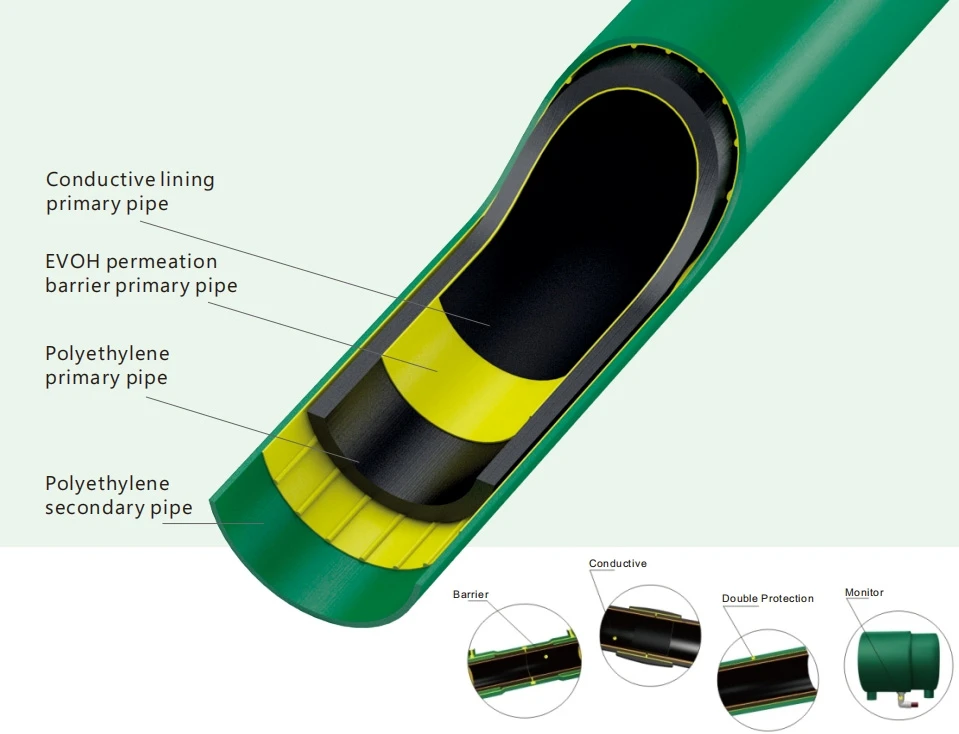
- Polyethylene (PE): High-density polyethylene is lightweight, corrosion-resistant, and flexible, making it a popular choice for fuel pipelines. PE pipelines are commonly used for lower-pressure systems or for installations in areas prone to freezing.
- Composite Materials: A newer option, composite materials (often fiberglass reinforced plastics) offer both strength and resistance to chemical degradation. They are lighter than metal pipes, which can reduce the overall weight and installation time. These are often used for underground installations.
Pressure Rating: Matching System Requirements
Fuel dispensing systems operate under specific pressure conditions that vary depending on the type of fuel being dispensed (gasoline, diesel, CNG, etc.) and the flow rate required. The pipeline should be selected based on the maximum operating pressure (MOP) the system is expected to handle.
- High-Pressure Systems: For high-flow or heavy-duty applications, such as multi-nozzle dispensers, high-pressure pipelines made from materials like stainless steel or carbon steel are preferred due to their ability to handle significant pressure and mechanical stress.
- Low-Pressure Systems: In systems that handle lower pressure (such as small, remote stations or low-volume refueling areas), PE or composite materials can be adequate, as they can withstand moderate pressure without requiring the cost of more robust materials.
Compatibility with Different Fuels
Fuel stations often handle a variety of fuels, including gasoline, diesel, LPG, CNG, and even adBlue. Each type of fuel has its unique chemical properties that can impact the integrity of the pipeline material. When choosing a pipeline, it's important to ensure that the material is compatible with the fuel being dispensed to prevent corrosion, degradation, or chemical reactions.
- Gasoline and Diesel: Generally, steel, stainless steel, and PE are safe and effective for handling these fuels, but attention must be paid to prevent chemical reactions that could compromise the pipeline.
- LPG: Liquid Petroleum Gas (LPG) is more corrosive than gasoline and diesel, so it is essential to choose pipelines that can handle both the high-pressure conditions and the chemical properties of LPG. Stainless steel or specially-coated steel pipelines are commonly used in LPG systems.
- CNG: Compressed Natural Gas (CNG) requires pipelines that can handle high pressures safely. Stainless steel or carbon steel with the proper pressure rating is typically chosen for CNG fueling systems.
Corrosion Resistance and Maintenance
Corrosion is a major concern for fuel dispensing pipelines, especially in areas with high humidity, extreme weather conditions, or exposure to water and moisture. Choosing corrosion-resistant materials helps ensure the longevity of the system and reduces maintenance requirements.
Corrosion-resistant coatings or epoxy coatings can be applied to steel pipelines to prevent rust and other forms of corrosion.
Stainless steel naturally offers resistance to corrosion, making it ideal for both underground and above-ground installations.
Polyethylene (PE) and composite materials are naturally resistant to corrosion, making them low-maintenance choices in corrosive environments.
Installation Considerations: Flexibility and Ease of Setup
The ease of installation plays a significant role in the overall cost and time needed for pipeline setup. Polyethylene pipes are flexible and lightweight, making them easier to handle and install, especially in areas where ground conditions may vary. In contrast, steel pipes require more complex installation, often necessitating welding, threading, and the use of specialized equipment for underground placement.
For underground installations, flexible and corrosion-resistant materials like PE or composite materials are often chosen, as they can be bent to fit the required layout without needing as many joints or welding.
Above-ground installations typically use steel or stainless steel pipes due to their strength and ability to withstand external factors like weather, temperature variations, and mechanical impacts.
Regulatory Compliance: Meeting Industry Standards
Fuel dispensing pipelines must meet industry regulations and safety standards. Different regions may have different codes of practice for the installation and maintenance of pipelines in fuel stations. These include safety standards to prevent leaks, protect the environment, and reduce the risk of fire or explosions.
It's important to ensure that your pipeline system adheres to local safety and environmental standards, as well as international guidelines like those provided by the National Fire Protection Association (NFPA), API (American Petroleum Institute), and ISO (International Organization for Standardization).
Conclusion
Choosing the right pipeline is vital for the safety, efficiency, and longevity of the fueling station. It requires a careful consideration of the materials, pressure ratings, fuel compatibility, corrosion resistance, and installation requirements. By selecting the correct pipeline based on these factors, fuel station operators can minimize maintenance costs, enhance operational reliability, and comply with industry regulations, all of which contribute to a safer and more efficient fueling experience for customers.


